Pest Control: Powerful Strategies to Guard Your House and Firm
Pest Control: Successful Solutions to Safeguard Your Home and Organization
Introduction to Pest Control
Pest Control involves the regulation or supervision of life forms regarded as pests – life forms that negatively change personal pursuits or settings. In New Jersey, a place where numerous natural systems converge with urban-adjacent and metropolitan progress, powerful Pest Control is not only a convenience but a essential for upholding wholesome living and professional surroundings. From the vast communities of Monmouth County to the cohesive communities of Matawan, pest invasions can disturb anyone, no matter of how pristine or carefully tended their residence may be.
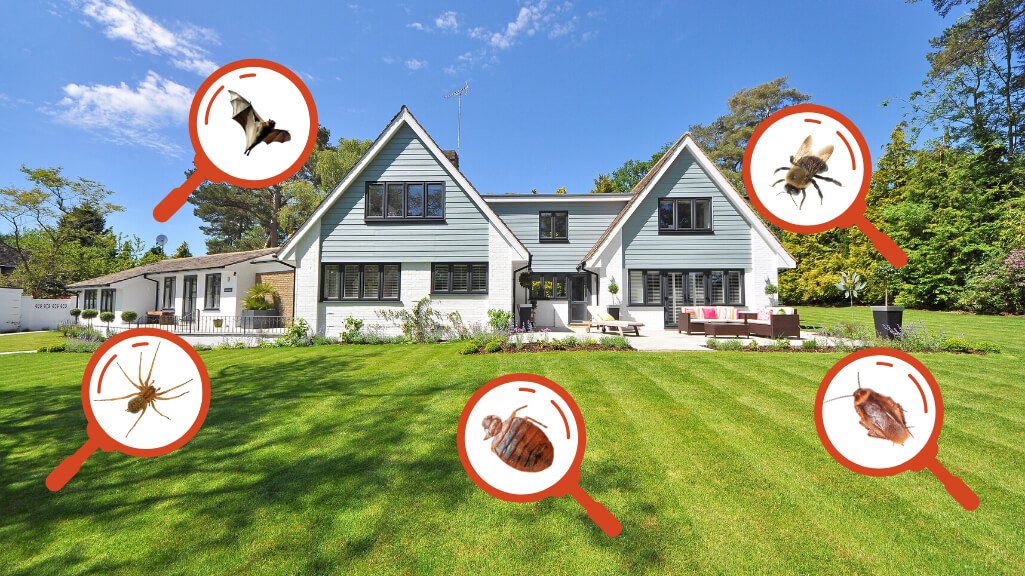
The significance of employing effective Pest Control procedures should not be overemphasized. For homeowners, pests can harm architectural durability, contaminate food sources, and establish important health dangers. Businesses face these similar issues, with the increased apprehension of reputation harm and prospective loss of clients if occurrences are discovered. Usual pests in New Jersey include small mammals like rats and mice, various insects such as ants, cockroaches, and bed bugs, and the especially damaging termites that can quietly damage a building's groundwork.
The Rationale Pest Control Is Important
Health Hazards of Pest Control Methods
Numerous pests carry and transmit illnesses that can trouble humans and pets. Vermin are identified hosts of hantavirus, salmonella, and leptospirosis. Cockroaches can provoke asthma occurrences and sensitized responses, specifically in juveniles. Ticks, abundant in New Jersey's woodland locations, are distinguished for transmitting Lyme disease, while mosquitoes can spread West Nile virus and Eastern Equine Encephalitis. Specialized Pest Control facilitates lessen these health hazards by eliminating the basis of these likely disease agents.
Building Destruction in Pest Control
The structural injury triggered by pests can be extensive and dear. Termites only produce over $5 billion in house injury yearly around the United States, with New Jersey homes being particularly prone due to the state's atmosphere. Vermin can bite through electronic wiring, making fire risks, while their constant nibbling can destroy insulation, pipes, and timber basic sections. Even ostensibly innocuous ants can damage wooden structures if abandoned unmanaged, especially carpenter ants which are common in Monmouth County.
Fiscal Implications of Pest Control Services
Ignoring pest problems can trigger considerable economic results. What can initiate as a small incursion calling for basic remedy can fast increase into a significant difficulty demanding wide-ranging repair. For firms, mainly those in the food trade or leisure fields, pest issues can result in deficient health checks, interim closures, and persistent destruction to prestige and patron belief. Investing in regular Pest Control is not simply about immediate contentment—it's a continuing monetary security.
Pest Control: Usual Household and Firm Pests
Rodents (Rats and Mice)
When it pertains to detecting rodent invasions in your New Jersey home, awareness is critical. You may notice droppings near food sources, in storage units, or beneath sinks. Bite marks on food enclosures, wooden materials, and power wiring are obvious marks of their presence. At after dark, you may catch clawing clamors in partitions, ceilings, or beneath floors as these evening beings grow lively. If you find homes constructed from tattered stationery, material, or arid plant material, that's a clear sign rodents have constructed themselves home. Slick rub marks along baseboards and barriers emerge as rodents employ the similar paths frequently, while your pets may display odd manner such as yelping or pawing at areas underneath appliances or fixtures where rodents shelter.
Rats and mice in New Jersey homes and organizations form many dangers past only bother. They can spoil food and making areas with Capitol Exterminating System pest control services NJ microorganisms contained in their liquid waste and feces. Their incessant necessity to nibble can injure property, remarkably wiring, which makes fire dangers. In Matawan and neighboring places, the Norway rat and house mouse are notably complicated, growing well in both urban and outlying regions. Powerful Pest Control actions are fundamental to address these destructive infiltrators.
Bugs (Ants, Cockroaches, Bed Bugs)
Bug outbreaks display themselves in diverse ways based on the type. Ant predicaments turn apparent when you spot perceptible ant tracks pointing to food provisions, or when you discover tiny accumulations of soil or wood pieces constructed by carpenter ants. Cockroach invasions often show themselves through dark dung resembling coffee grounds or black pepper, a characteristic fusty odor that suffuses invaded zones, and the occurrence of egg casings in covered corners. Bed bug predicaments appear as rust-colored speckles on mattresses and pieces, shed skins near relaxing locations, microscopic blood marks on sheets, and itchy red swellings on skin generally aligned in a succession or congregation.
Creepy crawlies exemplify the most varied type of pests in New Jersey. Cockroaches can set off asthma and allergies while disseminating many germs. Bed bugs, while not disease vectors, produce marked irritation, sleep hindrance, and emotional torment. Specific ant kinds, like carpenter ants typical in Monmouth County's wooded places, can create structural impairment akin to termites through time. Professional Pest Control agencies can detect distinct insect classes and put in place directed treatment methods that handle the specific practices and sensitivities of each pest.
Termites
Detecting termite activity initially necessitates comprehending the delicate signs of their occurrence. You might notice abandoned wings near casements and entrances after swarmers have detected a mate and established a new colony. Mud tubes on outdoor barriers, timber beams, or in crawl cavities function as secured highways for these devastating pests. Wood that echoes cavernous when struck indicates termites have been eating from internally. Doors and apertures that unexpectedly adhere may reveal deforming from termite impairment, while fractured or blistering paint akin to water damage often covers termite activity beneath. Detecting frass—termite feces akin to minute wood-colored specks—delivers another verification of their unwelcome manifestation.
Termites establish perhaps the most major structural danger amidst all usual pests. In New Jersey, the Eastern subterranean termite is pervasive and specifically destructive. These arthropods can stay undiscovered for eras while creating widespread destruction to lumber structural sections. Homes in Matawan and all over Monmouth County, specifically older dwellings, are prone to termite incursions. The mean expense of term pest control.
Pest Control Protection Factors
Safe Usage of Products and Products in Pest Control
While pesticides become needed in your pest control method, prioritizing safety requires attention to several crucial approaches that shield persons, pets, and the environment. Consistently read and adhere to product instructions precisely, as these legally-binding guidelines show comprehensive testing and regulatory assessment intended to reduce risks. Use the minimum successful quantity of pesticide to achieve management while reducing unneeded substance introduction into your residential space. Employ chemicals only in zones specified on the product instructions, avoiding unauthorized uses that may create unexpected dangers or decrease efficacy. Utilize suitable safety equipment as indicated by product manufacturers to avoid individual interaction during treatment. Keep substances in their factory containers with labels undamaged to maintain availability to security details and stop misidentification. Record detailed records of all applications, recording chemicals employed, mixing levels, spots applied to, and dates of use for subsequent use. Ensure appropriate curing and airflow before reentering treated areas, particularly vital in New Jersey's conditions where moisture can influence drying durations. Evaluate lower-toxicity alternatives when successful, as progress in pest elimination have created many reduced-risk solutions that maintain effectiveness while decreasing potential risks.
Protecting Animals and Children Throughout Pest Control Treatments
Specific precautions grow vital when performing pest control treatments in households with sensitive household individuals. Take away companions during service and until surfaces are cured to eliminate direct exposure with wet chemicals or vapors that could create harmful responses. Shield or relocate pet meals, water containers, and items before application to avoid pollution that could cause unintentional eating. Store children's playthings away from service areas, particularly things that young children might place in their lips. Disinfect and sterilize meal making counters after treatment, even if they weren't specifically applied to, to get rid of any remains that might have accumulated during service. Maintain young ones distant from applied locations for the recommended time, increasing this time for mobile babies who have increased immediate interaction with floors and bottom areas. Think about pet-safe and child-safe product choices when available, as many recent chemicals aim at particular pest physiology while decreasing mammalian toxicity. Most vitally, notify expert specialists about the existence of pets, young ones, or expecting family individuals before they develop treatment plans, enabling them to change strategies and substance selections appropriately.
Regulatory Requirements and Conformity with Pest Control
Pest control in New Jersey functions within a governmental framework intended to shield community safety and the environment while ensuring effective pest management. The New Jersey Department of Environmental Protection supervises pest elimination activities, demanding qualified pest control firms to meet certain criteria. Companies must hire certified applicators who have succeeded in government assessments displaying competency in pest science, application approaches, and protection guidelines. These businesses must keep appropriate insurance protection defending both their specialists and their clients from possible losses or damage connected with pest management activities. Stringent rules oversee pesticide housing, transport, and discarding to eliminate environmental pollution and improper entry. Specialists must give Safety Data Sheets upon inquiry, recording the attributes and dangers of products used in services. Warning guidelines apply for particular treatments, specifically in multiple-unit structures or commercial locations with several residents. Detailed service logs must be upheld, building an review path of pest control operations. Also, only substances authorized for application in New Jersey may be officially utilized, making certain that regional natural situations and environments have been reviewed in the permission procedure. For business establishments in Matawan and throughout Monmouth County, additional regulations may be relevant depending on the business, especially for dining service, healthcare, and daycare establishments where pest elimination overlaps with other general safety factors.
Eco-Friendly Pest Control Solutions
Comprehensive Pest Control (IPM) System
Combined Pest Control represents the gold level in current pest control, focusing on lasting avoidance through a blend of strategies that minimize natural effect while optimizing efficiency. The IPM process starts with comprehensive assessment and tracking to pinpoint pest pressure precisely, creating baseline details about species occurring and number levels. This creates correct determination of pest varieties, confirming management actions target specific habits and exposures rather than using universal treatments. Professionals establish limit quantities that require action, understanding that the mere detection of a handful of creatures does not automatically require treatment if amounts continue below injurious levels. When treatment becomes needed, IPM implements various treatment methods in unity, typically beginning with least-toxic techniques and increasing only when required. Across the procedure, experts examine effectiveness and modify techniques as appropriate, building a dynamic strategy responsive to evolving environments. Most importantly, IPM emphasizes deterrence over treatment, addressing construction and ecological elements that support pest communities rather than only destroying current insects. Many pest control companies in New Jersey provide IPM-based programs that coordinate with the region's drive toward safer pest control procedures, particularly in critical settings like educational facilities, healthcare centers, and food production facilities.
Natural Treatment Techniques
Effective pest control often includes chemical-free strategies that can solve or lower pest concerns without inserting products into the area. Physical barriers such as filters, entry sweeps, and filling prevent pest invasion entirely, dealing with the trouble at its beginning. Direct controls like devices and exclusion systems eliminate existing creatures while stopping new invasions. Biological systems including beneficial creatures and microorganisms introduce organic predators that aim at certain insects while leaving beneficial insects protected. Behavioral approaches modify the surroundings to deter organisms, such as adjusting water schedules to minimize humidity that brings some pests. Environment modification reduces shelter and nutrition supplies, causing areas minimally favorable to troublesome occupants. For particular pests like bed bugs, heat applications offer highly effective management without synthetic residues by increasing temperatures past the thermal killing point for all life stages of the target pest. In the same way, refrigeration techniques for kept item pests like food beetles or kitchen insects can eliminate infestations in consumable items without toxic residue. These approaches show notably valuable in New Jersey's varied areas, where nearness to water areas, preserved wild areas, and thick residential hubs produces many circumstances where synthetic decrease grows beneficial or required.
Green Pest Control Control Options
The pest control sector keeps to develop toward greater eco-conscious practices that preserve performance while lowering environmental effect. Botanical insecticides obtained from botanical essences like chrysanthemum extract, neem oil, and natural essences offer precise elimination with reduced persistence in the environment. Living treatments having bacteria, fungi, or viruses that aim at certain pest creatures offer specificity that typical general chemicals can't match. Maturation regulators that prevent pest mating by disrupting with life cycle phases offer sustained number control without immediate harmful consequences on adult pests. Pheromone devices that observe or disturb pest mating help figure out when action turns essential and can avoid procreation in certain kinds. The sector continuously embraces minimal-impact chemicals with limited environmental influence, moving away from traditional products with wider influences on non-target life forms. Precision treatment technologies that lower overall product application deliver treatments directly where required rather than scattering substances around wide regions. Sustainable qualification systems for pest management companies set requirements for naturally better assistance and supply customers with obvious recognition of businesses devoted to sustainable practices. In environmentally delicate zones of New Jersey, including portions of Monmouth County with proximity to marine bodies, these eco-conscious strategies are particularly useful for safeguarding both personal wellness and environmental systems while still providing efficient pest control.
Finding a Local Pest Control Service Provider in New Jersey
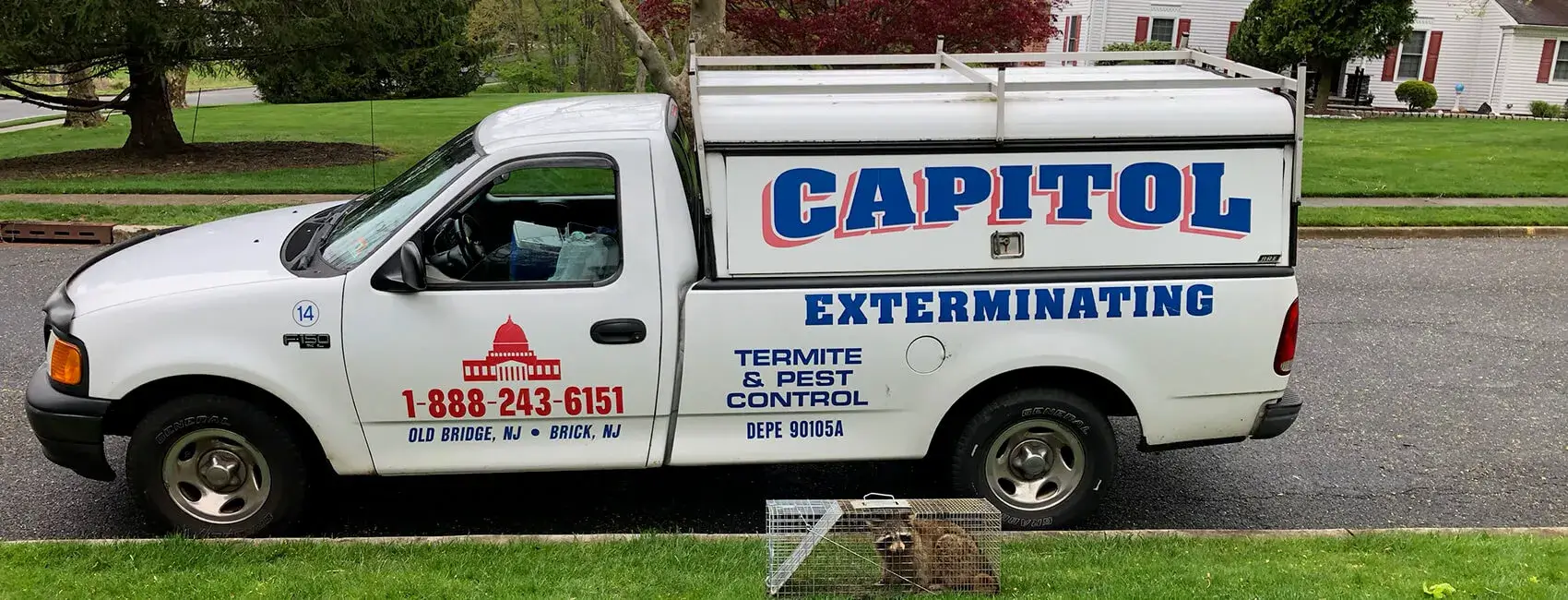
Capitol Exterminating System
272 NJ-34
Matawan, NJ 07747
(732) 441-1900
Often Inquired Inquiries (FAQs) about Pest Control
How commonly should pest control be conducted?
For the majority of New Jersey properties, seasonal pest control provides sufficient protection against cyclical pest pressures. This schedule matches with the local unique periods, each producing distinct pest issues that require precautionary care. Spring treatments generally handle developing ant groups and dormant pests growing active. Warm season treatments center on mosquitoes, parasites, and multiple flying insects that flourish in hotter climate. Fall services ready homes for rodents and sheltering pests searching for protection as temperatures decrease. Cold season treatments keep defense against inside creatures while handling rodent activity at its greatest. Though, this timing may rise for buildings with individual danger conditions or active concerns that need increased intensive control. Residences close to natural locations in Monmouth County may profit from further parasite and flying insect applications during maximum periods. Homes with record of specific pest troubles regularly demand focused additional treatments above the regular every three months schedule. Industrial facilities, especially restaurant service businesses in regions like Matawan, often call for monthly treatment to maintain conformity with safety requirements and prevent problems that could harm reputation and commercial functions.
Is expert pest control harmless for pets?
When executed correctly, qualified pest control can be protected for companions through deliberate chemical picking and treatment approaches that minimize access. Modern specific usage procedures and minimal-impact products have substantially enhanced safety features relative to traditional pest management strategies. Current services regularly apply mixtures especially designed to have low poison to creatures while staying successful against target creatures with distinct body systems. Professional applicators obtain preparation in usage procedures that put chemicals in zones animals can't access, such as wall cavities, fissures and gaps, or back of equipment. Though, animals should be moved during procedure and until all services have set completely, adhering to certain waiting intervals advised by the product manufacturer and applicator. Fish aquariums should be enclosed and air equipment turned off during service to prevent exposure from suspended debris. Pet belongings such as resting places, items, and nutrition equipment should be moved or enclosed while performing treatment. Address any concerns with your pest control provider, who can suggest suitable pause durations considering the particular procedures utilized and change methods for homes with especially vulnerable companions like flying animals or lizards and snakes that may have distinct physical susceptibilities than felines and canines.
What are the signs of a major pest invasion?
Besides seen insects personally, various caution signals show likely significant problems requiring prompt pest control action. Unusual scents frequently develop with extensive problems – damp, slick smells may show rodents, while sweet, almond-like aromas sometimes come with German insect communities. Unknown construction harm like sagging boards, bubbling paint, or breaking wood may expose wood-destroying insect presence or carpenter ant colonies damaging structural components. Odd sounds within partitions or attics, notably at dark, regularly reveal small mammal behavior as these dark-active organisms grow mobile in unseen locations. Plentiful particles appearing as tiny wood particles around wood components may really be frass or waste from wood-destroying creatures. Some households have mysterious health concerns like airway issues or discomfort that improve when gone from house, possibly showing bug problems affecting internal environmental condition. In New Jersey homes, focused consideration should be directed to cellar and crawlspace spaces where dampness issues can sustain pest groups, especially in older homes throughout Monmouth County where support openings and crumbling cement offer multiple invasion places. Discovering several deceased insects of the matching variety shows a larger population near, while fat stains along trim show set mouse and rat pathways with regular activity.
Can I avoid insects without pest control pesticides?
Absolutely, various pests can be avoided through proper hygiene, blocking, and living space change without applying synthetic applications. The base of non-toxic pest control begins with complete barrier efforts – filling openings, openings, and access points that let insects to penetrate homes in the initial position. Putting in door barriers, mending broken mesh, and closing utility openings removes frequent penetration spots. Getting rid of nutrition resources through correct edible containment in tight packages, prompt removal of drops and pieces, and frequent waste disposal considerably lowers lures that attract insects interior. Reducing moisture by fixing dripping water lines, bettering air movement in humid zones, and addressing water flow problems removes the moisture sources many creatures demand. Maintaining a distance area around buildings by pruning plants, clearing organic material, and maintaining firewood raised and away from properties decreases shelter zones and invasion locations. Utilizing tangible obstacles like copper mesh or iron stuffing to prevent bigger spaces provides long-term exclusion for mice and rats. Regular maintenance that involves suction cleaning fissures and gaps removes insect larvae and sustenance particles that support pest reproduction. For existing problems, however, some type of management material may be necessary to fix confirmed troubles, though numerous lower-risk alternatives are offered containing natural silica powder, boric powder, and bug-eliminating detergents that supply decreased threat relative to conventional substances.
What should I anticipate during professional pest control procedure?
A qualified pest control application commonly begins with a detailed evaluation to pinpoint pest species, entry points, and favorable circumstances relating to the concern. The expert should invest time examining both inside and exterior locations, giving focused focus to cooking areas, bathrooms, lower levels, and border building supports where pest behavior commonly concentrates. Subsequent to this inspection, the professional should clarify their findings in depth and recommend a service approach designed to your unique case, addressing both the designated pests and the procedures suggested for controlling them. You may be given arrangement steps before treatment, likely involving relocating furniture, cleaning specific locations, or safeguarding pets. In the course of the procedure, the specialist will use suitable materials to specific spaces considering the pest species recognized, emphasizing on fissures, gaps, and pest hiding areas rather than broadcasting treatments over whole surfaces. They may set up tracking devices like insect catches or attractant containers that support track progress and provide sustained safeguarding. After completing services, a expert should explain any after-service safety measures such as air movement specifications, occupancy durations, or spaces to clean. Before departing, they should schedule subsequent appointments if needed for especially stubborn creatures like sleeping pests or German insects that generally require various applications for full removal. Throughout this method, technicians should encourage inquiries and provide clear facts about the materials and procedures applied, demonstrating their instruction and dedication to both effectiveness and protection.
Successful pest control is an vital aspect of sustaining clean, safe dwelling and business areas in New Jersey. From the humid hot months that create mosquitos and ticks to the cooler periods when rodents pursue harborage within, pest challenges persist a year-round issue for residents and organizations in Monmouth County and Matawan. By knowing common organisms, applying preventive steps, and realizing when to seek qualified support, building owners can shield their properties and the wellness of occupants.
Implementing a preventive method to pest control is invariably additional productive and cost-effective than handling to existing infestations. Routine evaluations, appropriate maintenance, and tackling small issues before they worsen can stop the substantial expenses and disruptions related with major pest issues. When qualified intervention turns required, deciding on a respected, authorized pest control specialist who uses comprehensive pest control principles guarantees effective outcomes with reduced environmental effect.